

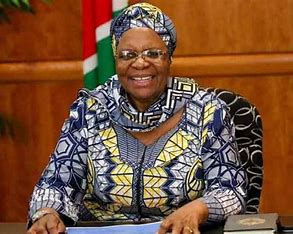
Namibia Charts a New Path with Netumbo: Bold Leadership, Amazonian Resolve
Netumbo Nandi-Ndaitwah’s inauguration as Namibia’s first female president on 21 March 2025 marks a transformative moment, signalling promising opportunities for foreign investment and highlighting the nation’s strong gender awareness, with women comprising 57% of public service roles and 64% of her cabinet. Her administration’s policy initiatives are designed to enhance the investment landscape across various industries.
Macroeconomic Analysis of Namibia
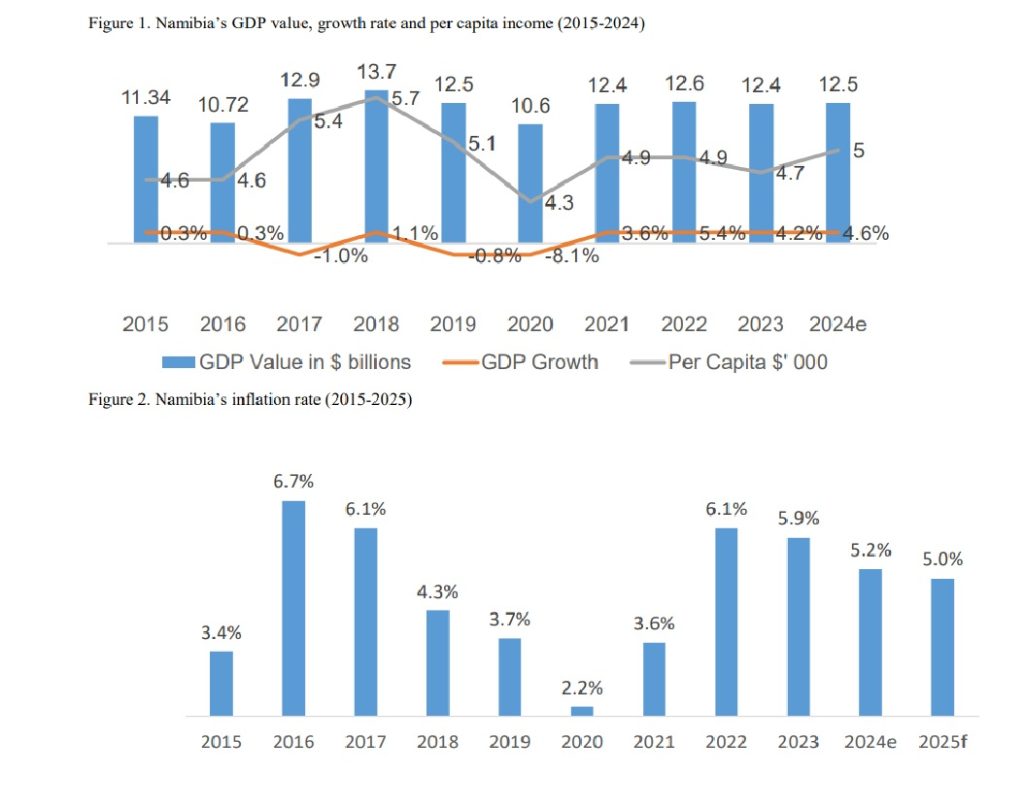
Namibia’s economy, a mixed model reliant on mining, agriculture, and tourism, serves a population of approximately 3 million in Southern Africa. The nation’s rich natural resources underpin its economic activity, with a GDP of $12.5 billion as at year-end 2024. Post-COVID recovery has yielded moderate growth, averaging 4% annually, though the economy remains susceptible to global and domestic pressures. Inflation, fluctuating between 3-6%, is significantly impacted by fuel and food costs and exchange rate volatility. The potential development of green hydrogen projects and offshore oil reserves presents significant opportunities for future economic expansion.
ECONOMIC OUTLOOK
Economic Diversification and Agricultural Investment
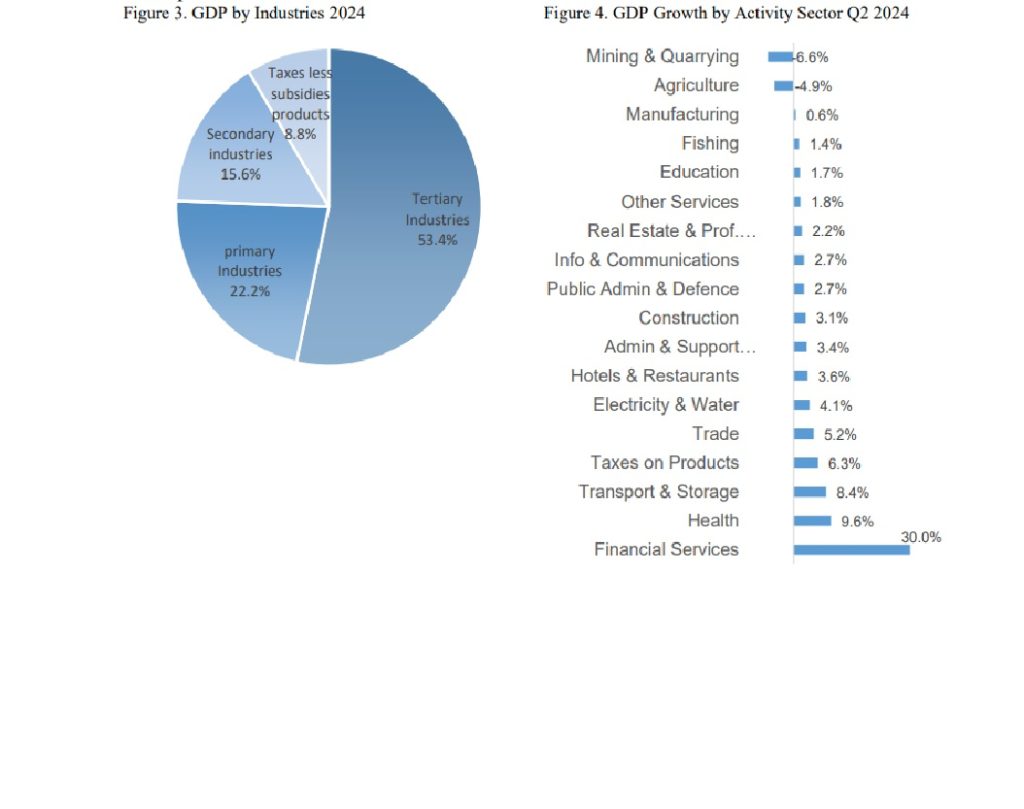
President Nandi-Ndaitwah’s strategic directive to diversify Namibia’s economy, aimed at mitigating its reliance on traditional sectors, prioritizes agricultural investment to enhance domestic food production and achieve self-sufficiency. This policy shift presents notable investment opportunities for agribusiness, concurrently seeking to stabilize the economy against external food supply volatility. Despite Namibia’s inherent arid climate, the agricultural sector’s critical role in food security, employment, and export revenue is evident. However, the sector faces significant headwinds from water scarcity and climate change, necessitating the implementation of climate-smart agricultural practices and advanced irrigation technologies to optimize productivity. Given agriculture’s current 5% contribution to national GDP, coupled with a 4.9% quarterly contraction in Q2 2024, the new administration’s targeted interventions are projected to catalyze substantial sectoral growth. This underscores the potential for strategic investment to leverage policy initiatives and address structural vulnerabilities within Namibia’s agricultural landscape.
Enhancing Value Addition in Natural Resources
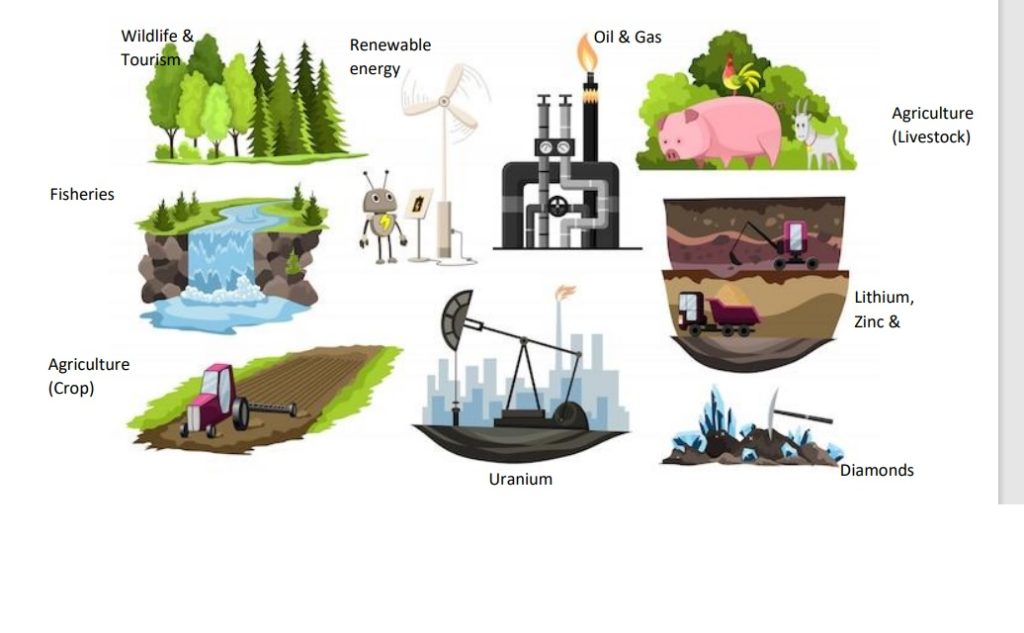
The new administration has committed to maximizing Namibian benefits from the nation’s abundant natural resources. By prioritizing domestic value addition, the government aims to retain greater economic value within the country, creating significant investment opportunities in mining, processing, and related industries. Given the tertiary sector’s dominance and the strategic imperative for economic diversification, we anticipate increased investment in hospitality, tourism, mining, quarrying, real estate, and transportation, as growth in these sectors will contribute substantially to economic expansion. Namibia’s strategic positioning, driven by rising global demand for lithium and uranium, and its substantial diamond reserves, presents compelling opportunities for foreign direct investment and enhanced foreign exchange earnings.
Commitment to Good Governance and Anti-Corruption
A cornerstone of President Nandi-Ndaitwah’s agenda is the enhancement of governance standards and the eradication of corruption. By fostering a transparent and accountable governmental framework, Namibia aims to build investor confidence, ensuring that investments are protected and bureaucratic obstacles are minimized.
Strategic Cabinet Appointments
The president’s recent cabinet appointments indicate a strategic focus on enhancing economic management and international relations. The appointment of Ericah Shafudah, a seasoned finance professional with experience in both the finance ministry and international organizations, as finance minister, and Selma Ashipala-Musavyi, as foreign affairs and trade minister, signals a commitment to strengthening diplomatic and trade ties, potentially attracting increased foreign direct investment.
Focus on Emerging Industries
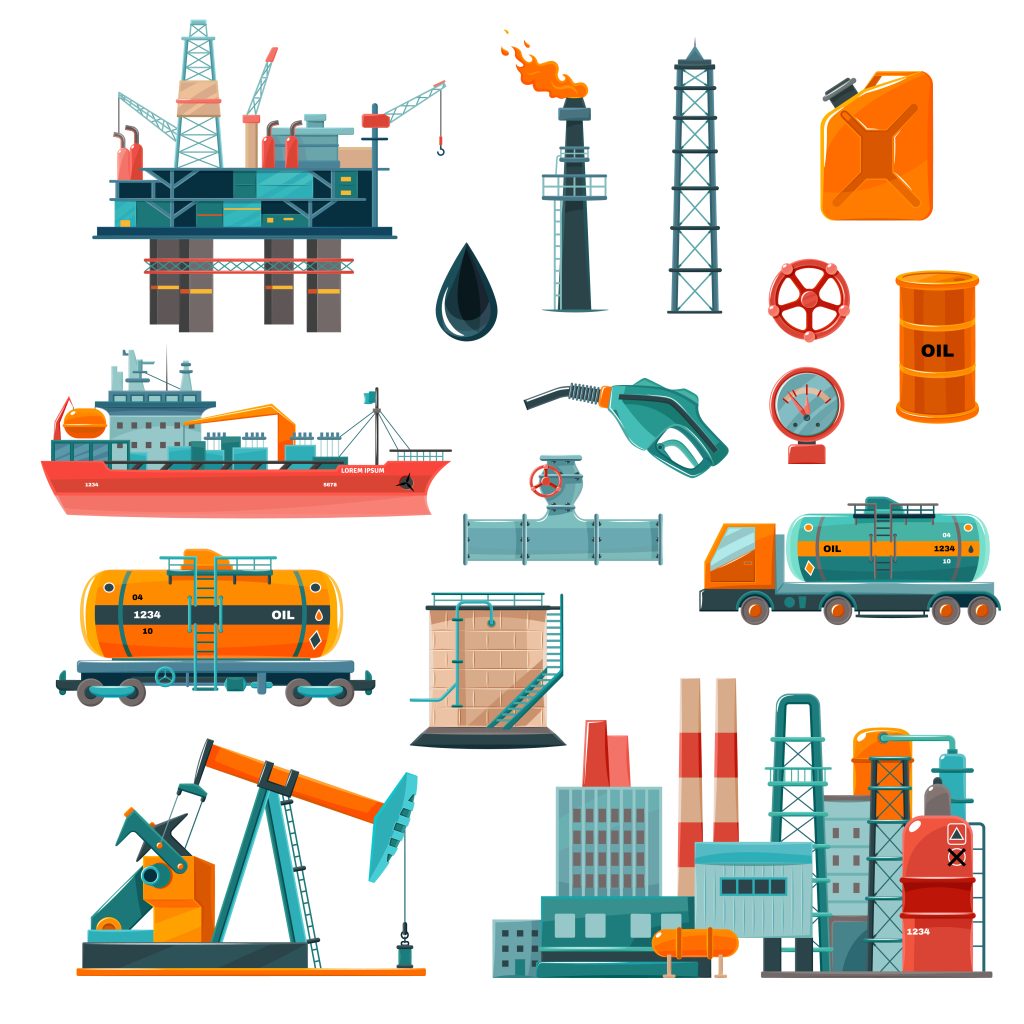
Recognising the potential of burgeoning sectors, the president has strategically integrated emerging industries, such as oil and gas, under the president’s office. This centralised approach aims to ensure coordinated management, maximizing their contribution to national development and attracting investors. Recent offshore oil discoveries in the Orange Basin, coupled with ongoing explorations, suggest substantial potential for these emerging industries.
Regional Cooperation and Climate Change Initiatives
Namibia’s emphasis on regional cooperation and climate change mitigation, coupled with its alignment with global sustainability goals, positions the country as a responsible investment destination, particularly attractive to ESG-conscious investors.
Overall, we expect the new administration’s policies to be geared towards creating a stable, transparent, and diversified economic landscape. These initiatives are expected to enhance investor confidence and attract substantial foreign investment, propelling Namibia towards sustainable growth and development.
1 Comment
Marcel
March 23, 2025Make sense