

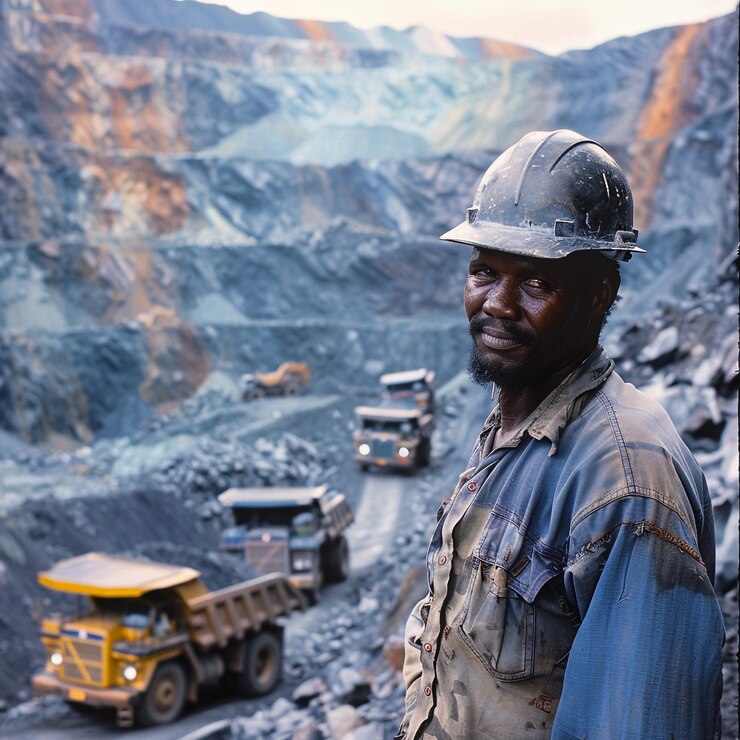
Growing Opportunities in Lithium Mining for Africa: The Future and Pathways to Sustainability
Introduction
As the global economy pivots toward decarbonisation and widespread adoption of clean energy, lithium has emerged as a cornerstone of the transition. Often referred to as “white gold,” lithium is a critical component in the production of rechargeable batteries used in electric vehicles (EVs), mobile devices, laptops, and large-scale energy storage systems. Amid soaring global demand, Africa, endowed with vast untapped lithium reserves, is increasingly positioned to play a pivotal role in the evolving global energy value chain.
While the continent remains richly blessed with natural resources, it has long grappled with the paradox of the “resource curse”, where abundant wealth in raw materials has failed to translate into broad-based development. The case of crude oil and gold illustrates this disconnect. However, lithium offers Africa a renewed opportunity, perhaps its most transformative yet, to shift this narrative.
As lithium takes centre stage in the global shift to cleaner energy and the phasing out of fossil fuels, Africa stands at a critical juncture. The large deposits discovered across several countries signal a new frontier of possibilities, not just for economic growth, but for sustainable development, industrialisation, and value addition. The coming years, or even decades, will serve as a litmus test for the continent’s leadership: Can Africa harness this strategic resource to drive inclusive growth and assert itself as a major player in the global clean energy revolution?
To do so, the continent must not only develop its mining and processing capabilities but also build resilient institutions, prioritise environmental stewardship, and create frameworks that ensure lithium’s value benefits present and future generations. The world is watching, and Africa now has a unique opportunity to show that it is ready to claim its seat at the global table with clarity, competence, and purpose.
Africa’s Lithium Landscape: A Rising Contender
Africa’s lithium reserves are substantial, with key countries including Zimbabwe, the Democratic Republic of Congo (DRC), Mali, Ghana, and Namibia holding a combined 4.9 million tons of lithium reserves, accounting for approximately 6% of the world’s total reserves.[1].
Key Projects and Developments:
Key African Lithium Hotspots: Country-by-Country Outlook
As global demand for lithium accelerates, several African countries are positioning themselves to become key players in the global supply chain. The following countries have made notable strides in exploration, production, and strategic investment in the lithium sector:
Zimbabwe
Zimbabwe is arguably Africa’s lithium frontrunner. The country hosts the Bikita Mine, the largest and most developed lithium operation in Zimbabwe, with estimated reserves of 10.8 million tonnes of lithium ore. A major catalyst for sectoral growth has been the Arcadia Lithium Project, acquired by Chinese firm Zhejiang Huayou Cobalt, which invested $300 million to develop a mine and processing plant. The project targets an output of 450,000 tonnes per year of lithium concentrate, positioning Zimbabwe as a central hub in Africa’s lithium value chain.[2].
Democratic Republic of Congo (DRC)
Traditionally known for cobalt, the DRC is now gaining attention for lithium. The Manono-Kitolo deposit in Tanganyika Province is one of the largest lithium reserves globally, boasting an estimated 120 million tonnes of lithium ore. In 2024, AVZ Minerals finalised a landmark agreement with US-based KoBold Metals for the Manono Lithium Project, involving a projected $1 billion investment. The DRC’s lithium potential underscores its emerging relevance in both the battery metal and clean energy ecosystems.
Mali
Mali’s Bougouni Lithium Project, operated by UK-based Kodal Minerals, is gaining traction. The site has an estimated 17.9 million tonnes of lithium ore at a grade of 1.48% lithium oxide. With rising investor interest and regulatory support, Mali is gradually cementing its position as a serious contender in West Africa’s critical mineral landscape.[3].
Ghana
Ghana is poised to become a new entrant in the lithium market through the Ewoyaa Lithium Project, led by Atlantic Lithium. This will be Ghana’s first lithium-producing mine, with an estimated mineral resource of 14.5 million tonnes. The project is expected to contribute significantly to Ghana’s goal of diversifying its mineral export base beyond gold and bauxite.
Namibia
Although not yet a major global lithium producer, Namibia is actively cultivating its lithium sector. Government policy is firmly focused on retaining more value in-country, restricting the export of unprocessed lithium and instead encouraging downstream activities such as refining and battery component production. This forward-looking strategy aims to transform Namibia into a moderate to large-scale lithium producer while also bolstering industrialisation, job creation, and economic diversification.
Nigeria
Nigeria is taking bold steps to enter the lithium market. In October 2023, it was reported that Ganfeng Lithium Industry Ltd., a major Chinese firm, began construction of a lithium processing plant in Nasarawa State. The facility is designed with a capacity to process 18,000 tons of lithium ore per day, reflecting both Nigeria’s vast lithium potential and the country’s broader push toward industrialisation and raw material beneficiation.
Global Demand and Africa’s Strategic Advantage
The International Energy Agency (IEA) projects that lithium demand could rise up to 51 times current levels by 2040, driven by the global push for clean energy and the proliferation of electric vehicles.
Africa’s Strategic Advantages:
- Vast Untapped Reserves: Africa hosts significant lithium deposits that remain largely unexplored or underdeveloped, presenting substantial first-mover advantages for investors and developers seeking early-stage opportunities.
- Strategic Geographical Positioning: The continent’s proximity to major electric vehicle (EV) and battery manufacturing hubs in Europe and Asia enhances its potential as a key supplier in the global clean energy value chain.
- Abundant Renewable Energy Potential: Africa’s rich solar and wind resources offer the opportunity to power sustainable and low-carbon mining operations, aligning with global ESG standards.
- Demographic Dividend: With one of the world’s youngest and fastest-growing populations, Africa provides a scalable, adaptable labour force capable of supporting both mining and downstream processing activities
Investment Landscape and Economic Implications
Africa’s emerging lithium sector is rapidly becoming a magnet for global capital as nations and corporations race to secure critical minerals essential for the energy transition. The continent’s resource-rich landscape, combined with supportive government policies and global demand for clean energy technologies, is driving a surge in both foreign and domestic investments.
- Surging Chinese Investment: Chinese companies have been at the forefront of Africa’s lithium rush. Over the past two years, Chinese firms have invested over $1 billion in acquiring and developing lithium assets in Zimbabwe, including the Arcadia and Bikita projects. These moves are part of China’s broader strategy to dominate the global supply chain for battery minerals.
- Western Engagement Gathers Momentum: In response to China’s growing influence, Western governments and companies are ramping up their involvement. Notably, the European Union recently approved 13 critical raw material projects outside its borders, including lithium ventures in Malawi and South Africa. These initiatives are aimed at securing a more diversified and resilient supply of essential minerals for EVs, batteries, and renewable energy systems.
- Local Economic Impact and Job Creation: Lithium development is poised to deliver transformative economic benefits at the national and community levels. For example, Ghana’s Ewoyaa Lithium Project, operated by Atlantic Lithium, is projected to contribute approximately $4.8 billion to the Ghanaian economy over its estimated 12.5-year mine life. The project is also expected to generate thousands of direct and indirect jobs, foster infrastructure development, and increase government revenues through royalties and taxes.
Sustainability and Value Addition: A Path Forward
While lithium mining presents immense economic opportunities for Africa, realising long-term benefits requires a deliberate focus on sustainable development and responsible governance. The continent stands at a crossroads between replicating past extractive industry pitfalls or using this critical mineral to build inclusive, resilient, and future-proof economies.
- Environmental Stewardship
The environmental footprint of mining must be minimised through the adoption of global best practices. Responsible water usage, stringent emissions control, land rehabilitation post-extraction, and adherence to Environmental and Social Impact Assessments (ESIAs) are essential to preserve biodiversity and protect ecosystems for future generations.
- Local Processing and Value Addition
Several African countries, notably Zimbabwe, have implemented policies that prohibit the export of raw lithium ore. This shift toward in-country beneficiation—including crushing, concentration, and chemical processing—ensures a greater share of the lithium value chain remains within national economies, supporting industrialisation, job creation, and technology transfer.
- Community Engagement and Benefit Sharing
Lithium projects must include structured and transparent community development agreements. Meaningful participation of host communities from the early stages of project development—coupled with tangible benefits like local employment, healthcare, education, and infrastructure—will foster social license to operate and long-term stability.
- Regulatory Reform and Governance
Effective, transparent, and predictable regulatory frameworks are crucial. Governments must balance investor attraction with social equity by ensuring fair taxation, royalty regimes, and revenue-sharing mechanisms that are reinvested into local economies. Anti-corruption measures and strong institutional oversight will also be key in managing lithium wealth.
- Regional Integration and Collaboration
Africa can achieve economies of scale by coordinating cross-border infrastructure projects such as lithium trade corridors, regional refining hubs, and battery manufacturing clusters. Platforms like the African Continental Free Trade Area (AfCFTA) can facilitate harmonised policies, reduce trade barriers, and amplify the continent’s bargaining power in global value chains.
Challenges and Considerations
Despite the opportunities, several challenges persist:
While Africa’s lithium potential is immense, unlocking its full value requires addressing several critical challenges. Without strategic planning and coordinated action, the continent risks repeating the extractive pitfalls of the past.
- Infrastructure Deficiencies
Many prospective mining regions face significant logistical and infrastructural bottlenecks. Poor road networks, limited rail connectivity, inconsistent electricity supply, and insufficient port infrastructure create cost inefficiencies and undermine competitiveness. Long-term investments in transport corridors, energy access, and digital infrastructure are essential to support large-scale lithium operations.
- Political and Regulatory Uncertainty
Policy unpredictability, frequent regulatory shifts, and concerns over expropriation or nationalisation can deter long-term foreign and domestic investment. Ensuring stable, transparent, and investor-friendly legal frameworks, along with adherence to the rule of law, is key to building confidence and attracting ethical capital.
- Environmental and Social Risks
Without proper oversight, lithium mining can lead to land degradation, deforestation, groundwater depletion, and pollution, especially in ecologically sensitive areas. Moreover, insufficient community engagement can fuel tensions, displacements, and social unrest. Rigorous environmental safeguards and inclusive stakeholder frameworks must be integral to every mining project.
- Global Competition and Market Volatility
Africa must build a competitive advantage to thrive in a rapidly evolving global lithium market dominated by established producers in Australia, Chile, and Argentina. Success will depend on lowering production costs, securing long-term offtake agreements, and moving up the value chain through local processing and battery manufacturing.
- Capacity Gaps and Skills Shortages
The technical complexity of lithium extraction and processing requires highly skilled labour, advanced technologies, and strong institutional capacity. Targeted investments in vocational training, STEM education, and technology transfer are crucial for long-term sustainability and competitiveness.
[2] https://www.miningweekly.com/article/zimbabwe-leading-sub-saharan-african-lithium-mining-boom-2024-05-3
[3] https://africanenergycouncil.org/5-ongoing-lithium-projects-in-africa